Epoxy flooring can transform a plain concrete surface into a durable and attractive floor suited to garages, commercial spaces, workshops, warehouses, and other demanding environments. Although the finished surface may appear seamless and straightforward, achieving a quality result involves several important preparation and installation stages. Each step contributes to how well the coating adheres, performs, and maintains its appearance over time. A successful epoxy floor begins with understanding the condition of the existing concrete rather than immediately applying a coating. Surface preparation, repairs, cleaning, priming, coating application, and curing all have a role in the finished result. According to ScienceDirect.com, epoxy coatings generally become dry to the touch within about three hours. However, drying to the touch is only one stage of the overall process, and proper curing requirements can vary depending on the product and environmental conditions. Understanding what happens during each stage can help property owners know what to expect from an epoxy flooring service.
Evaluating the Existing Concrete
The first stage of an epoxy flooring project involves evaluating the existing concrete surface. Professionals need to determine whether the floor is suitable for an epoxy coating before beginning preparation or application. An epoxy flooring service may examine the concrete for cracks, stains, moisture concerns, uneven areas, and previous coatings. The age and condition of the concrete can also influence how preparation should be approached. Areas with significant deterioration may require repairs before a coating can be applied successfully. Moisture is another important consideration because excessive moisture beneath a coating can affect adhesion and long-term performance. Evaluating the surface early allows potential problems to be addressed before they become more difficult to correct. This initial assessment creates a foundation for developing an appropriate installation plan for the property.
Preparing and Repairing the Surface
Surface preparation is one of the most important parts of the epoxy installation process because the coating needs a properly prepared substrate for effective adhesion. Dirt, grease, oil, old coatings, and other contaminants can interfere with the bond between the epoxy and concrete. An epoxy flooring service may use mechanical preparation methods such as grinding to remove contaminants and create an appropriate surface profile. Cracks, holes, spalling, or other damaged areas may also need to be repaired before coating begins. The specific preparation method depends on the existing floor and the type of coating system being installed. Proper preparation can help create a more consistent surface for subsequent layers of material. Skipping or minimizing this stage can leave underlying problems that become visible after the coating has been applied. Careful preparation therefore plays an important role in establishing the conditions needed for a successful finished floor.
Cleaning and Removing Contaminants
After mechanical preparation and repairs, the concrete needs to be thoroughly cleaned before the coating is installed. Even small amounts of dust or debris can interfere with the application process if they remain on the surface. An epoxy flooring service may use specialized cleaning methods to remove remaining particles, grease, and other contaminants. The goal is to leave the concrete as clean and consistent as possible before coating materials are introduced. Particular attention may be required around corners, edges, expansion joints, and areas where debris can accumulate. Any remaining residue can potentially affect the appearance or adhesion of the finished system. A clean substrate also makes it easier for professionals to identify areas that require additional preparation before moving forward. Completing this stage carefully helps ensure that the floor is ready for the next part of the installation.
Applying the Primer Layer
Depending on the selected system and condition of the concrete, a primer may be applied before the primary epoxy coating. Primer can help establish a suitable bond between the prepared substrate and subsequent coating layers. An epoxy flooring service can determine whether a primer is appropriate based on the specific floor, coating system, and project requirements. The primer needs to be applied consistently across the intended surface so that the next layer has an appropriate foundation. Professionals also need to account for coverage rates and application conditions when working with these materials. The primer must receive adequate time to reach the appropriate stage before additional coatings are applied. Rushing between layers can interfere with the intended performance of the system. Allowing each material to be applied and handled according to its specifications supports a more controlled installation process.
Applying the Epoxy Coating
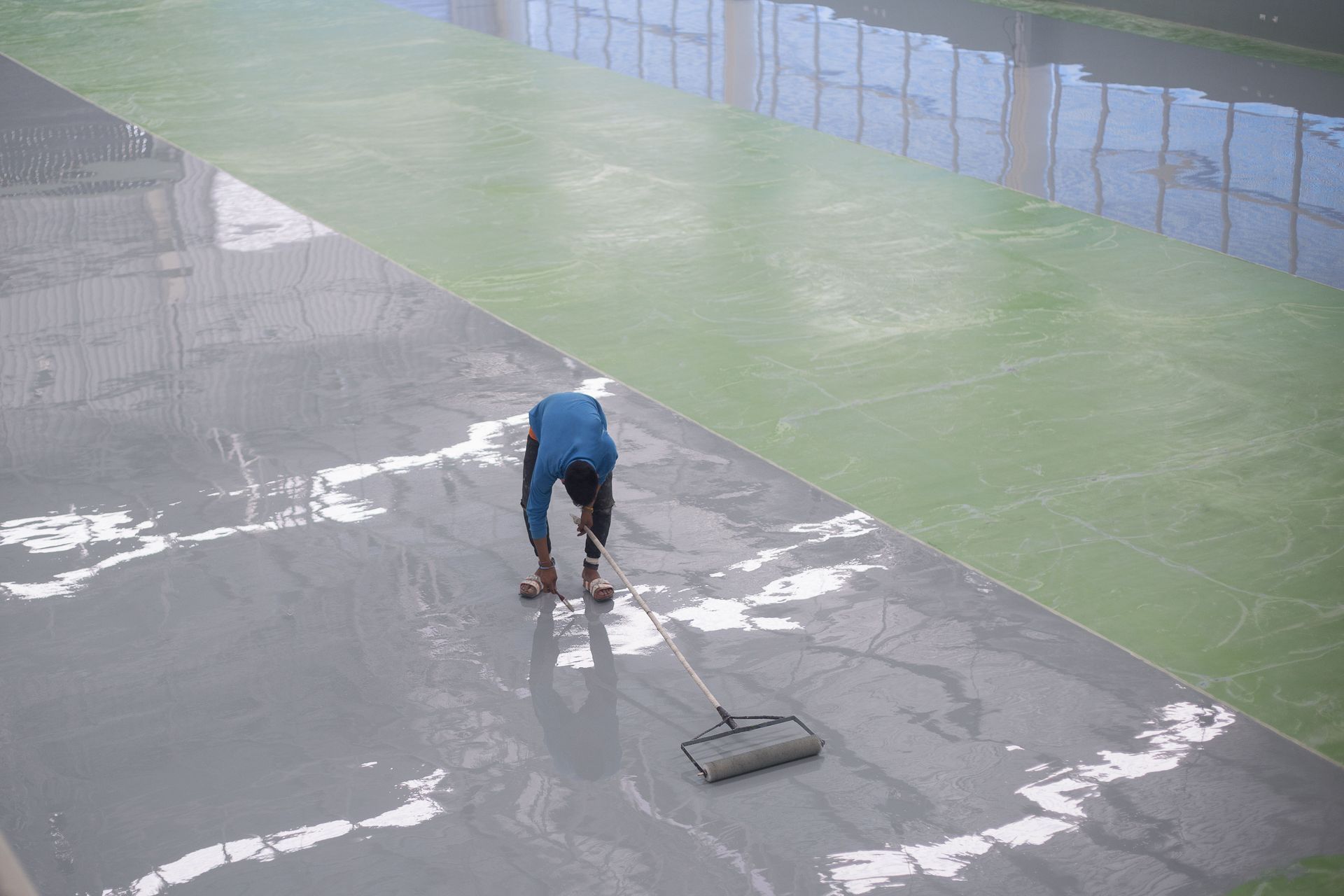
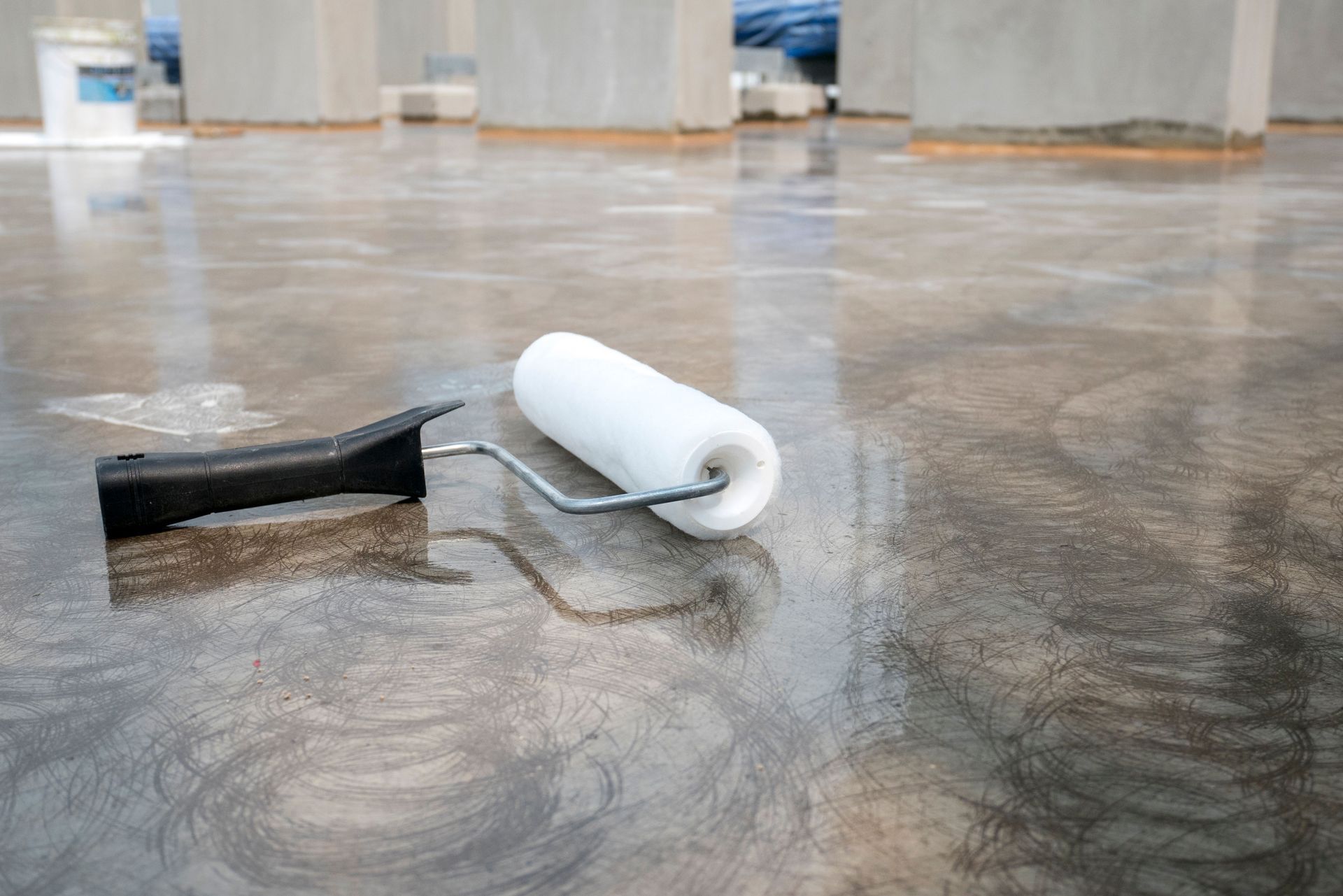
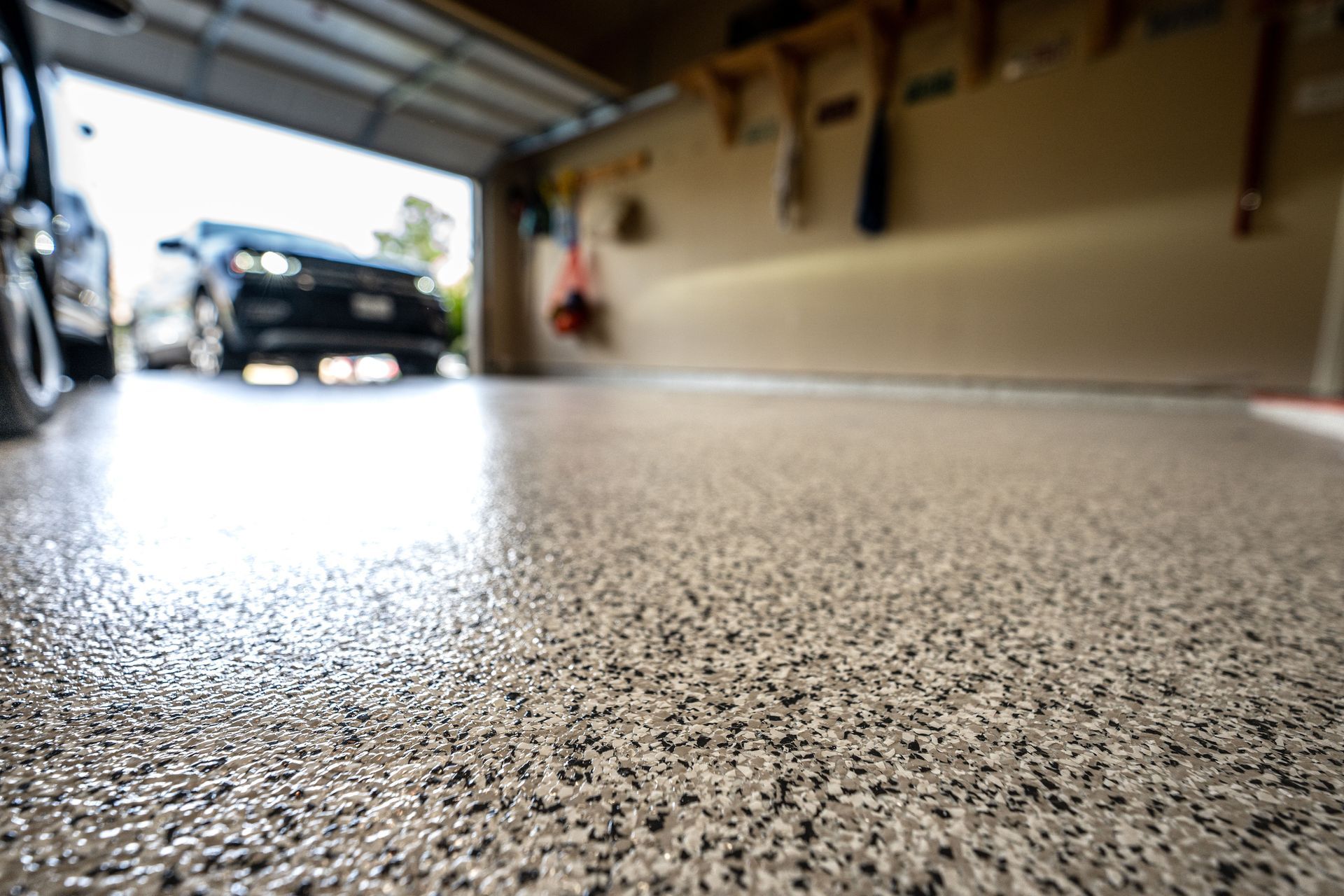
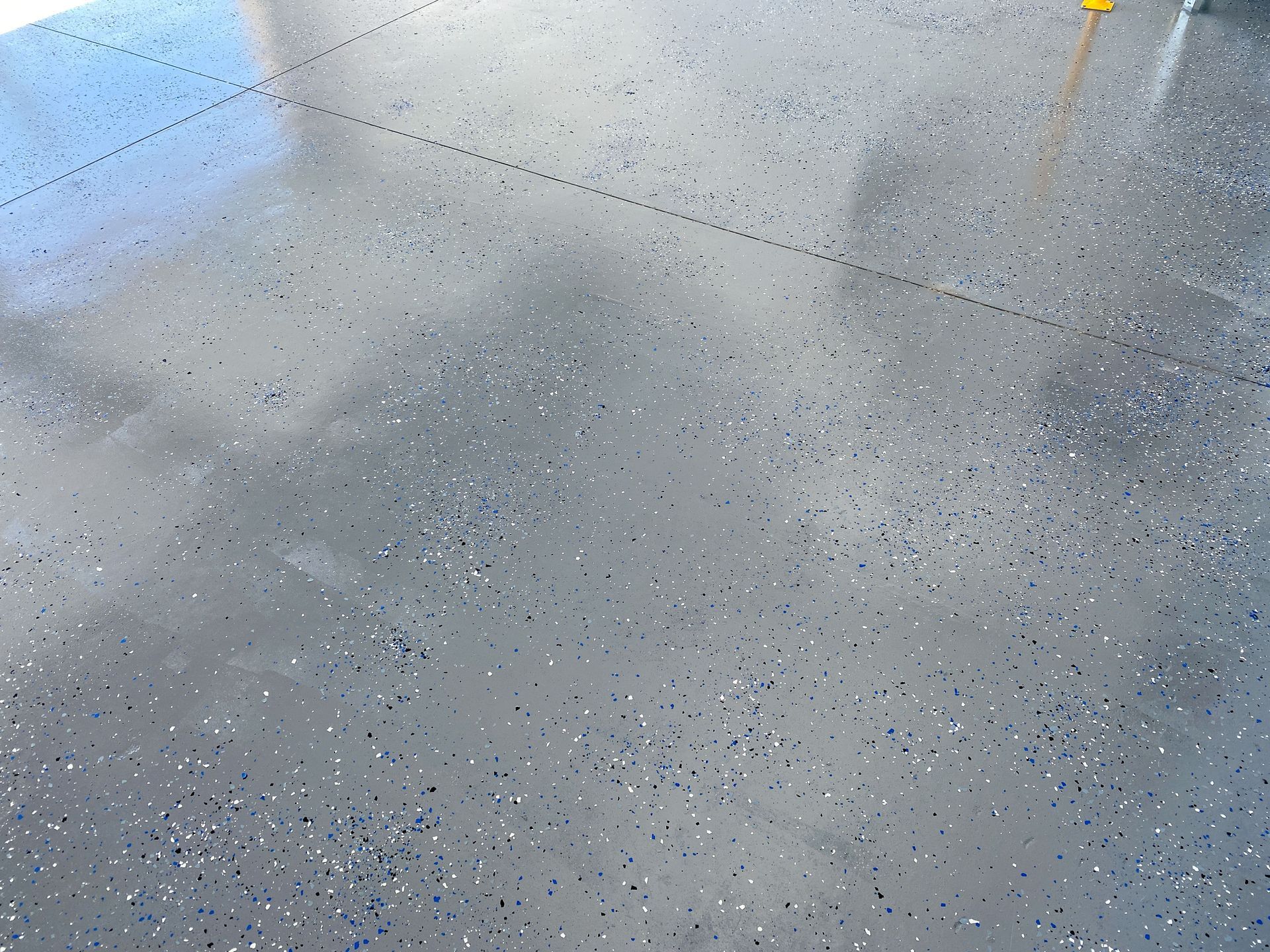
Once the surface has been properly prepared and any required primer has been applied, the main epoxy coating can be installed. Epoxy materials are typically mixed according to the manufacturer's specifications before being distributed across the prepared floor. An epoxy flooring service may use rollers, squeegees, or other application tools depending on the selected system and desired finish. Consistent application helps produce an even surface without unnecessary variations in thickness or appearance. Professionals must work within the material's working time because mixed epoxy can become more difficult to spread as it begins to set. Temperature, humidity, ventilation, and substrate conditions can also influence how the material behaves during installation. Decorative elements such as color flakes or other broadcast materials may be incorporated into certain systems during this stage. Careful application helps create the smooth, cohesive appearance commonly associated with finished epoxy floors.
Adding Protective Layers
Some epoxy flooring systems involve more than one coating layer to achieve the desired appearance and performance characteristics. A second coat or protective topcoat may be used depending on the product specifications and intended use of the floor. An epoxy flooring service can select the appropriate system based on factors such as traffic levels, exposure conditions, maintenance requirements, and desired appearance. Additional layers can also influence texture, gloss, chemical resistance, or other characteristics of the finished surface. Each layer needs to be applied under appropriate conditions and allowed to reach the required stage before the next step. Professionals must also ensure that the surface remains clean between applications. The final system should be selected with the property's actual demands in mind rather than based solely on appearance. A properly planned multilayer system can help create a floor that is suited to the environment where it will be used.
Allowing the Floor to Cure
Curing is an essential part of the epoxy process because the floor needs sufficient time to develop its intended properties. Although some coatings may feel dry relatively quickly, the surface may still require additional time before it can handle regular foot traffic or heavier loads. An epoxy flooring service should follow the manufacturer's recommended curing schedule for the specific products being used. Environmental factors such as temperature and humidity can influence how quickly materials cure. Property owners should avoid placing equipment, vehicles, furniture, or heavy objects on the floor before the recommended period has passed. Allowing adequate curing time helps prevent premature damage to the new surface. Professionals can provide guidance about when different levels of use can safely resume. Patience during this stage protects the work completed during all the earlier installation steps.
The epoxy flooring process involves considerably more than simply spreading a coating over concrete. Evaluation, preparation, cleaning, priming, application, additional protective layers, curing, and maintenance all contribute to the finished result. Each stage addresses a different aspect of creating a durable and visually consistent floor. Proper preparation is especially important because the condition of the underlying concrete directly affects the coating system installed above it. Curing also deserves attention because a floor that feels dry may still need additional time before it is ready for full use. Property owners who understand the process can better appreciate why professional installation involves careful planning and attention to detail. A well-executed epoxy system can provide a practical surface for residential, commercial, and industrial applications when the appropriate materials and methods are used. Black Rhino Floors can help property owners navigate the process and select an epoxy flooring solution suited to their space.
Contact Black Rhino Floors today to discuss your flooring project and learn how a professionally installed epoxy system can transform your concrete surface.